Helping People Find You When They Ask the Big Computer Questions
When people need something, they ask the big computer (Google) questions.
This blog explains how we make sure they find YOUR business when they ask.
We’ll show you the simple tricks to pick the right words people use when searching…
How to make your website easy for the big computer to read…
And why some businesses show up first while others get lost on page ten.
No fancy tech talk – just clear steps that help more people find your business when they’re ready to buy what you sell.
We might even share a real story about how we helped a local shop get twice as many new customers by fixing these very basics… Stick around, and you’ll find out.
How the Big Computer (Google) Decides Who Gets Seen First
If people can’t find you on Google, your business might as well not exist.
People search with intent, not just words. Google ranks pages based on what people want when they search, not just the words they use. Are they looking to buy, compare, or learn? Your content needs to match that intent to rank higher.
Keyword stuffing makes you invisible. Jamming “best coffee shop” into every sentence doesn’t help. Google’s AI understands natural language and rewards content that sounds human over robotic keyword stuffing.
Google is the first stop for most buyers. 68% of online experiences start with a search engine. If you’re not there, you’re missing business. (BrightEdge) And if you haven’t done it yet, this is your sign to go claim your Google My Business listing.
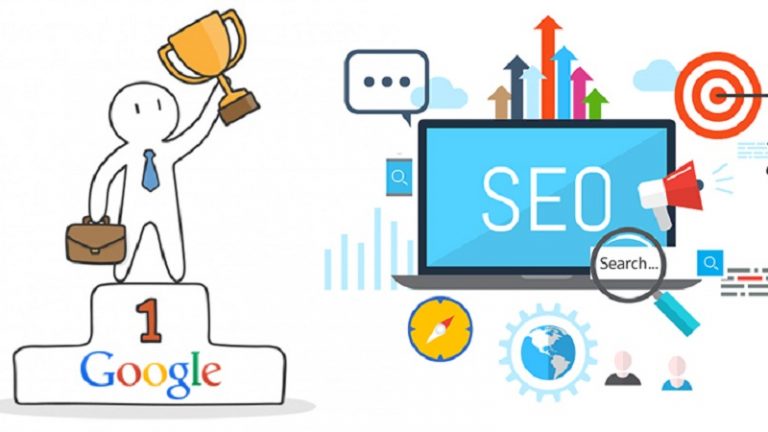
The top results aren’t random. Google looks at relevance, authority, and user experience. That’s why a well-structured, fast, and useful page beats one that’s just packed with keywords but lacking real value.
Real life example. A local bakery switched from targeting “bakery” to “best fresh bread near me.” Within months, they climbed to the top of search results and saw a 2x increase in new customers.
Bottom line? Google doesn’t rank pages—it ranks answers.
Be the best (most relevant) answer, and you’ll be the first choice.
But to be the best and most relevant answer, you need to know what questions people are asking.
Picking the Right Words (Without Guessing)
Most businesses guess what people search for—and get it wrong.
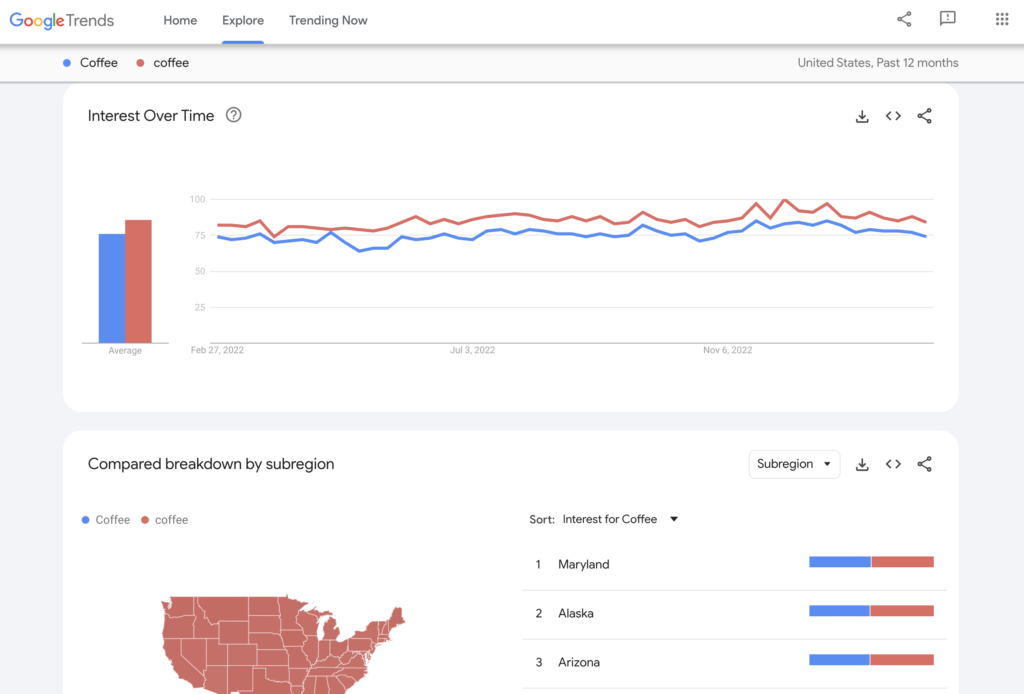
People ask Google real questions, not just keywords. Instead of searching “coffee,” people ask “best coffee shop near me” or “quiet café for work.” Your content should match how people actually search.
Google gives you the answers—if you look. Free tools like Google’s autocomplete, “People Also Ask,” and Google Trends show the exact questions your audience is typing. Use them to find the right keywords.
Most keywords get almost zero searches. 92% of keywords get fewer than 10 searches per month. The real traffic comes from specific, long-tail keywords (Ahrefs). Ranking for “best coffee shop for studying” is better than competing for just “coffee shop.”
The right words make the difference between page 1 and page 5. A coffee shop that optimized for “best quiet coffee shop for work” instead of just “coffee shop” jumped to the top of search results and saw a surge in new customers.
How Amazon mastered this strategy. Instead of targeting broad terms like “laptops,” Amazon ranks for high-intent phrases like “best laptop under $500.” That’s how they outrank competitors and drive massive traffic
Bottom line? Stop guessing. Google is already telling you what people want—use it.
But finding the right words is only half the battle.
Next, you need to make sure Google can actually read your website.
Making Your Website Easy for the Big Computer to Read
Google is blind. If your website isn’t built right, it can’t see you.
A slow site is a dead site. 53% of visitors leave if a page takes over 3 seconds to load (Google). If your site drags, customers won’t wait—and neither will Google.
Google doesn’t “see” images—it reads code. If your site is packed with giant images and missing text descriptions, Google can’t understand what’s on the page. No understanding = no ranking.
Over half your traffic is mobile. More than 60% of searches happen on phones. If your site is hard to navigate on mobile, Google pushes you down.
Walmart proved speed = cash. Every 1-second delay cost them 2% in conversions. That’s millions in lost sales from a slow website.
Bottom line? If Google can’t read your site fast and clearly, it will send customers elsewhere.
Yet, even with the right words and a fast site, there’s still one more piece to the puzzle.
Why Some Businesses Show Up First While Others Get Lost on Page 10
Google is a ranking game—play it wrong, and your business disappears.
Google ranks authority, not just keywords. Having the right words isn’t enough. Google wants to see expertise—meaning backlinks, reviews, and fresh content.
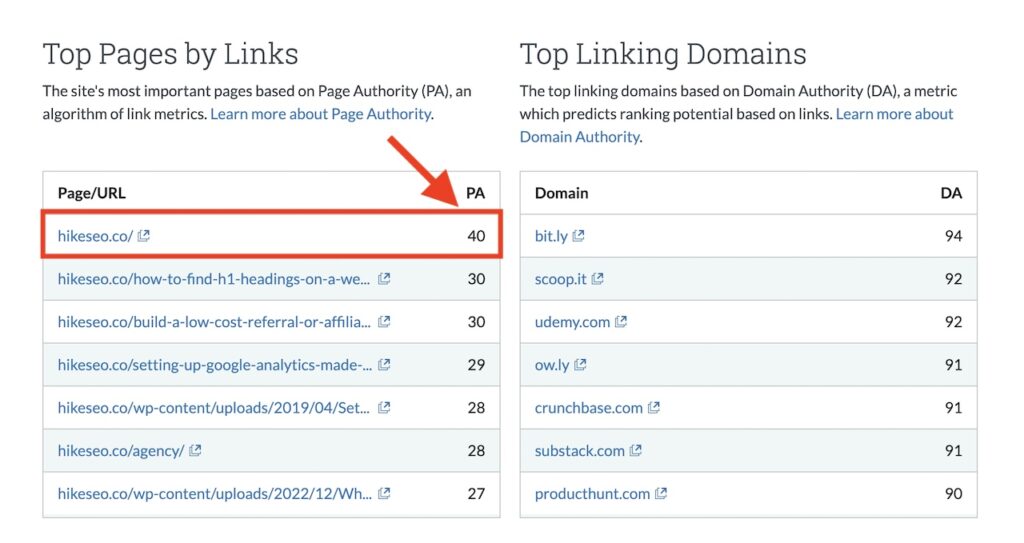
Backlinks = trust. Pages with more high-quality backlinks rank higher. If no one is linking to you, Google assumes you aren’t worth ranking. (Backlinko)
Not all links are good links. Buying backlinks or using shady SEO tricks can get your site penalized. Google rewards real recommendations, not fake ones.
Content that earns links wins. The best way to get backlinks? Create content people actually want to share—guides, data, or unique insights.
Fresh content signals relevance. Websites that update regularly with useful content stay on top. A blog post from 2015 won’t cut it.
A local auto shop outranked big brands. They answered common customer questions in blog posts and earned backlinks from local news sites. Soon, they were outranking national chains.
Wikipedia dominates because of trust. Thousands of backlinks, constant updates, and citations from credible sources make Wikipedia one of Google’s top-ranked sites.
Bottom line? Google rewards authority, not guesses.
The businesses at the top didn’t get lucky. They earned their spot by building trust, creating value, and getting real recommendations.
So what should you do now?
Take These Steps Today and Get Found
If people can’t find you, they can’t buy from you. Fix that today.
Use the words your customers actually search for. Stop guessing. Use Google’s autocomplete and “People Also Ask” to find real search terms.
Make your website easy for Google to read. A slow, cluttered site gets ignored. Speed it up, clean it up, and structure your pages clearly.
Earn trust with quality backlinks. Getting mentioned by reputable sites boosts your rankings. Create content worth sharing and reach out for collaborations.
Answer the questions people are asking. A simple FAQ page can push you to the top of search results. If people ask it, answer it.
Small changes = big results. A bakery changed its keywords and optimized its website. It doubled new customer visits in months.