Finding Gold In Your Customer Numbers

The hardest revenue to explain? The kind you lost because you weren’t paying attention.
The data you ignore today is the revenue you’ll struggle to explain tomorrow.
Every interaction—clicks, scrolls, add-to-carts, bounces—seems trivial in isolation. But patterns aren’t built on noise. They’re built on repetition.
What looks like a passive visitor is often a near-sale.
What feels like a “popular product” might be quietly killing your margins.
The advantage goes to those who know how to read these cues—not as metrics, but as behavioral signals.
Let’s break down where the revenue is hiding and how to extract it without adding new tools or new headcount.
Your Website Is Whispering. Are You Listening?
Visitors are telling you what’s broken. Just not with words.
A spike in bounce rate? They’re confused or overwhelmed.
An abandoned page? Your message didn’t land.
A dead-end click path? They hit friction, and bailed.
Too many businesses see traffic as an asset but ignore what it reveals. Your analytics aren’t just performance snapshots—they’re post-mortems of missed conversions.
Start simple: identify the top-exit pages and where the drop-offs begin. If visitors leave without clicking, the page failed. If they click but don’t convert, the offer failed.
Often, fixes aren’t about content volume—they’re about clarity.
A single, frictionless path with one clear action beats clever design every time.
Don’t Obsess Over Your Homepage. Follow the Real Journey.
Most visitors don’t start where you think they do—and they almost never convert in a straight line.
They land via blog posts. Loop through your About page. Jump to Pricing. Bounce back. Linger. Return.
Yet most businesses funnel time, money, and testing into the homepage—optimizing a storefront no one enters through.
Path tracking gives you the real story: the sequence of curiosity.
Where users pause.
What builds momentum.
What breaks it.
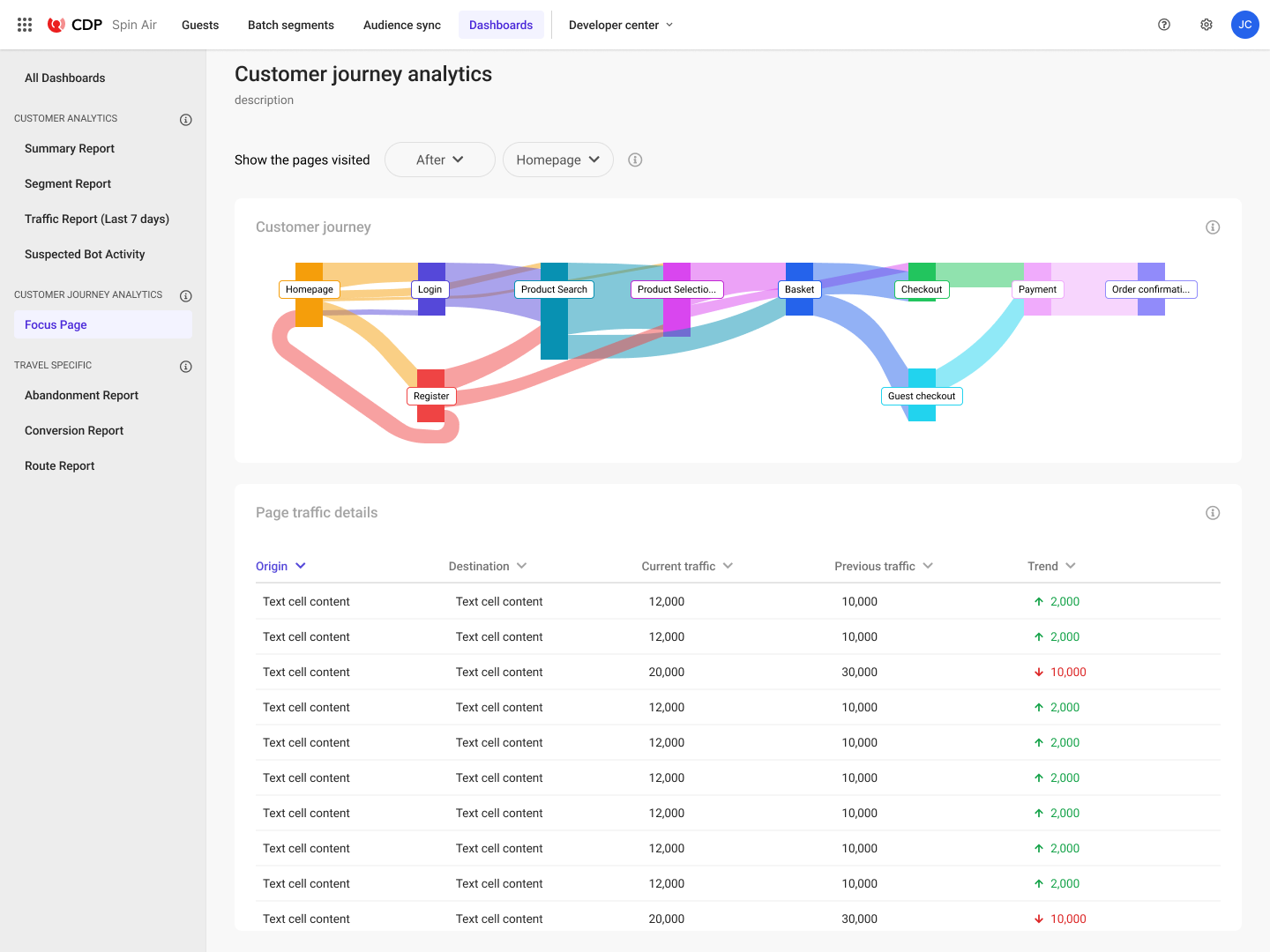
When Basecamp simplified its homepage and clarified the signup flow, signups rose 14%—not because of a new feature, but because they reduced mental load.
Conversion happens on the path—in the decisions between pages—not at the starting point.
And the best way to optimize the path? Watch the patterns.
Friction Lives Where People Hesitate
Every unexpected pause is a conversion delay. Every repeated scroll is uncertainty.
Click recordings and heatmaps don’t just reveal usage—they expose hesitation.
Where people hover, backtrack, or double-click, there’s confusion. And confusion kills action.
These aren’t UX flaws. They’re revenue leaks.
Zappos once moved reviews above the fold and clarified sizing charts. Same products. No pricing changes. But conversions jumped 20%.
Because uncertainty—not disinterest—was the block.
Want to speed up sales? Remove the second-guessing.
Your Best-Selling Product Might Be Your Worst Decision
Volume doesn’t equal value. A product that dominates revenue might be wrecking your profit.
High return rates. High fulfillment costs. High support friction.
If you don’t layer in these second-order effects, you’re chasing vanity metrics.
List your top sellers. Then audit them for margin, LTV impact, support tickets, and customer satisfaction. You’ll often find the true profit engines are quieter.
Kill your darlings. Or at least demote them.
Chasing fast sales is a trap.
Loyalty lives in repeat purchase behavior.
Not every product creates long-term value. The smart money’s on items that turn first-timers into lifetime buyers.
Some products are just one-time purchases. Others create fans who buy five more things.
You need to know which is which.
Instead of pouring ads into what sells fast, shift attention to products that bring people back. That’s where LTV lives.
Everlane figured this out: jeans didn’t outsell t-shirts—but jean buyers came back and bought five more items. Ads shifted to jeans. Repeat business rose 23%.
Your Customers Are Writing the Playbook. Read It.
Every repeat purchase, bundling pattern, or cart pairing is a data point about desire.
These aren’t just sales—they’re clues.
Track frequently paired products. Identify sequence patterns: what leads to what?
These show you which offers amplify one another—and which are competing.
Netflix didn’t scale by promoting blockbusters. They scaled by noticing documentary viewers retained longer—then doubled down.
Bundling, upsells, and personalized paths aren’t “marketing hacks.” They’re product signals made visible.
Ready-to-Buy Customers Leave Signals. Most Businesses Miss Them.
Micro-actions are louder than words—ignore them, and you’ll miss the sale.
People don’t always say “I’m ready to buy,” but their clicks, revisits, and scrolls do.
Revisiting a product. Reading reviews. Adding to cart, then leaving. These aren’t dead ends—they’re neon signs saying, “I’m almost ready.”
Track pre-purchase behavior:
- Time on pricing page
- Return visits to the same product
- Clicks on shipping info
- Wish list adds
Airbnb noticed users who viewed a listing three times in one week were 70% more likely to book. That insight powered a retargeting strategy that didn’t feel like retargeting—it felt like timing.
You don’t need to guess when someone’s interested. Watch the signals.
Sudden silence from a regular buyer is a warning siren.
Churn rarely announces itself. It sneaks in quietly.
When patterns break, action is required. Losing a loyal customer costs more than acquiring five new ones.
If a loyal buyer suddenly stops returning, don’t blame “seasonality.” Blame inattention.
Track buying habits: how often they order, how much they spend, what they browse.
Then flag when that rhythm changes.
A quick email (“Still thinking about X?”)
Or a small offer (“Here’s 10% off your favorite bundle”) can bring them back before they churn for good.
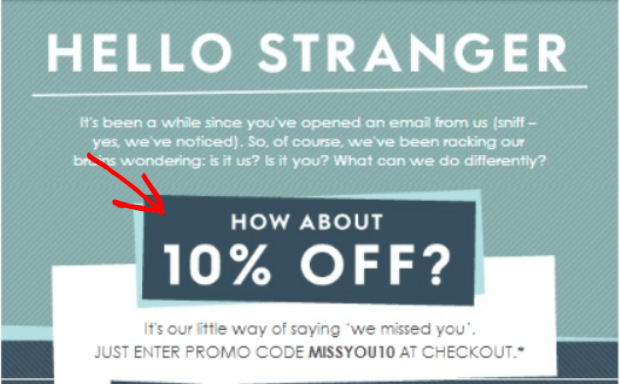
Warby Parker used this to identify high-intent visitors—and increased conversion by 25% with simple behavior-triggered follow-ups.
Every repeated question from customers is a roadmap for more conversions.
Your support inbox is a diagnostic tool.
When customers ask the same pre-sale questions over and over, it’s not a staffing issue—it’s a copy issue.
Your site didn’t do its job. Your product page lacked clarity. Your policies created confusion.
Start logging every pre-sale question. Then fix your product pages to address those concerns before they’re raised.
One coffee brand noticed 40% of pre-purchase chats were about delivery frequency. They made that info clear up front and saw a 15% jump in subscriptions—no new traffic needed, no discounts. They didn’t change the offer. They just removed the question.
But even within your most engaged visitors, some are worth more of your attention than others.
All Customers Are Not Created Equal
Treating all customers equally is a fast path to mediocre growth.
Your top 20% drive your profit. The rest are just noise unless you know how to serve them differently.
You don’t need more customers. You need to better understand the ones you already have.
Pull a list of repeat buyers.
Add up what they’ve spent over time.
This is your core revenue base.
Stop treating everyone equally. Prioritize the relationships that actually move the needle.
Even a 5% bump in retention can increase profits by up to 95%. (Bain & Company)
Your best customers have already told you how to find more like them.
Study how they arrived, what they bought first, and what kept them coming back. Then go get more of them.
Look at your top 20 customers. What was their first purchase? How did they find you? What do they keep coming back for?
You’ll likely see patterns you weren’t targeting.
Glossier discovered that customers who engaged on social before buying had 3x the lifetime value of ad-driven buyers. That insight led them to shift the budget and bring in more high-value customers.
Loyalty isn’t given—it’s earned through recognition.
Loyalty doesn’t come from points. It comes from understanding.
The brands that retain aren’t generous—they’re observant.
They notice behavior. Reward consistency. Personalize recognition.
Early access. Personal thank-yous. Surprise gifts. These little gestures build irrational loyalty.

Peloton found that users who completed 3+ weekly workouts were 87% more likely to stay subscribed.
So they gamified it. Rewarded it. Nudged it.
The same logic applies to commerce.
You don’t need a points system. You need to pay attention.
You Only Need Three Numbers to Start Growing Smarter
You don’t need a full analytics overhaul. You need to ask better questions:
- Which pages lose the most visitors—fastest? → Fix the experience or remove the dead weight.
- Which products drive repeat purchases? → Promote those. Not just the fast movers.
- Which customers buy again and again? → Double down on serving them better than anyone else.
Small answers. Big patterns. Big patterns? Predictable revenue.
The winners aren’t drowning in data. They’re guided by it.
Set aside 30 minutes a week. Look at these numbers. Take one small action based on what they’re telling you.
Bottom line: The best brands don’t hoard data. They respond to it.
They don’t reward everyone—they recognize the right ones.
They don’t guess. They observe. Act. And grow.
Ready to Find Gold in Your Numbers? Let’s Talk.